

You Think You Own the Car... Until You Don’t
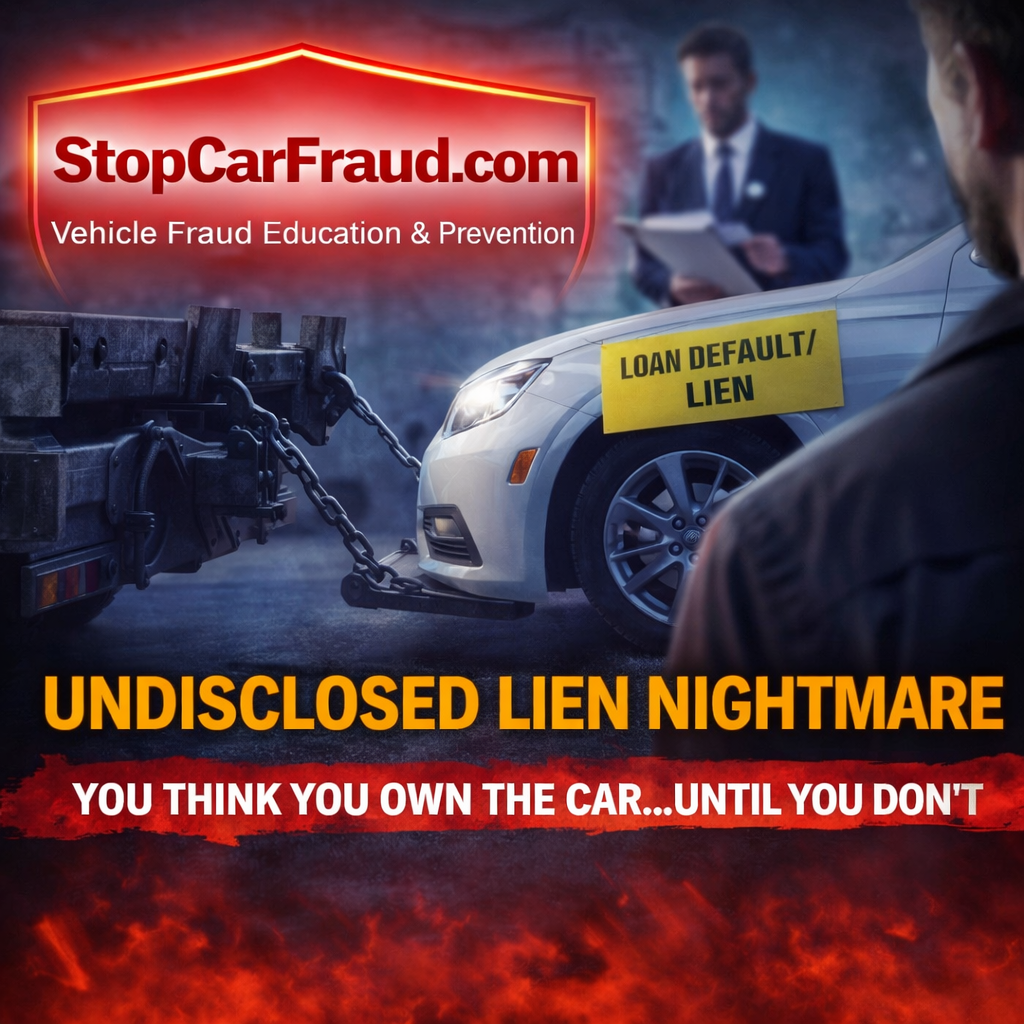
You did everything you thought was right. You found the car, met the seller, looked over the title, paid the money, and drove away feeling like the deal was done. But here’s the truth most people don’t realize until it’s too late...You might not actually own that car.
If there’s an undisclosed lien tied to the vehicle, the lender, not you, still has legal rights to it. And when that lender comes looking, they’re not going after the person who sold it to you... they’re coming for the car. This is the “Lien That Never Goes Away” scam, and it’s one of the most overlooked ways buyers get burned.
Let’s break it down clearly.
A lien means the vehicle was financed and the loan hasn’t been fully paid off. Until that debt is cleared and officially released, ownership isn’t clean. Even if someone hands you a title, even if everything looks legit, that lien can still exist behind the scenes.
And this is where you get trapped. The seller takes your money, hands over paperwork, and disappears. Meanwhile, the lender still has a financial claim on the vehicle. Weeks later, you try to register it—or worse, you get a notice or a knock on your door. Now you’re stuck in a situation no one warns you about —you paid for the car and it’s sitting in your possession, but legally, it still isn’t truly yours.
And here’s the part that hits hardest. the lender does not care that you were misled. Their agreement was never with you. If the loan isn’t paid, they can repossess the vehicle. That means you could lose the car and the money you spent.
We’ve seen this happen more times than people realize. And almost every victim says the same thing: “It looked completely legit,” and that's exactly why this scam works.
There’s no obvious warning sign. No broken story. No flashing red light. Just a normal transaction that moves a little too fast, with a seller who avoids going too deep into the details.
So here’s what you need to do before you ever hand over money:
- Verify if there’s an active lien through your state system—don’t trust paperwork alone
- If there’s a loan involved, insist on handling the deal directly with the lender
- Never accept a “promise” that the lien will be paid off after the sale
- Demand official lien release documentation from the financial institution
- If the seller gets uncomfortable when you ask questions, that’s your sign to walk
And if you’re already in this situation, stop guessing, stop hoping it works itself out, and get real answers.
This is exactly why StopCarFraud.com exists. We break down scams like this, show you what to look for, and help you understand what your options actually are before things get worse. Because once money changes hands, your leverage disappears fast.
The reality is simple! If there’s a lien that hasn’t been cleared, the deal isn’t clean, and when it’s not clean, you’re the one who pays the price. Don’t wait for the lender to come knocking; understand exactly what you’re getting into before it ends up costing you everything.